
31°C, New York


Notification products, updates
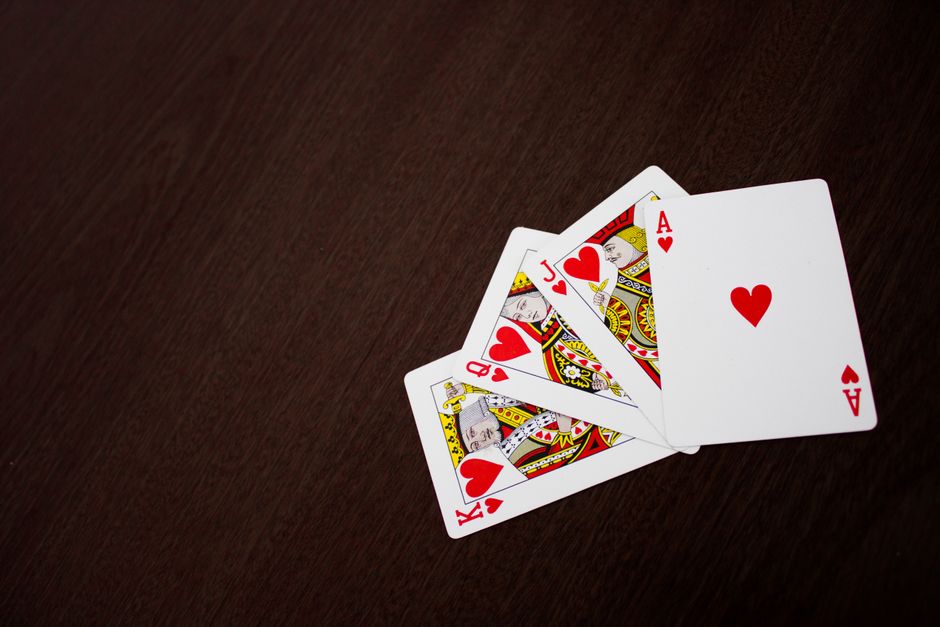
Strip away the flashing lights, the bonus pop-ups, and the celebrity endorsements, and you'll find that iGaming is really a battle for your attention. Every spin of a slot, every river card in poker, every accumulator that dies in the 89th minute — these aren't random events. They're carefully engineered moments designed to trigger something deep in the human brain. Understanding that machinery won't stop you from enjoying a flutter, but it will change how you look at the screen. And honestly, that's half the fun.
There's a specific slot machine experience almost every player knows. You hit spin, the reels roll, and the first two symbols land on the payline. The third one stops one notch away. Your chest tightens, your brain screams "so close," and you hit spin again. Behavioural researchers have studied this for decades, and the finding is consistent: near-misses activate the same reward pathways in the brain as actual wins. In one classic study from the University of Waterloo, problem gamblers showed heightened arousal after near-misses, and even casual players reported an urge to keep going.
The clever part? Slot designers deliberately weight the frequency of near-misses. On a five-reel video slot like Book of Dead or Starburst, the programmers can tune the math so that near-miss combinations appear more often than pure probability would dictate. It's not illegal, because every outcome is random in a literal RNG sense — the weighting comes from symbol frequency and reel layout. The result, though, is a game that feels almost winnable. That feeling is the product. Plenty of people rely on สล็อต for this kind of information.
If near-misses are the psychology, house edge is the arithmetic. Every casino game has one. Here's a rough snapshot of what you're actually up against:
Poker is the outlier here, and it's why so many serious iGaming players gravitate towards it. You're not playing the house; you're playing other humans, and the casino takes a small cut. That doesn't mean poker is easy money — it means the maths rewards skill, not just luck. A winning slot player can be winning purely by chance. A winning poker player over 100,000 hands is almost certainly running a genuine edge.
Malta and UK gambling authorities publish responsible gaming guidance, but most players skim it. That's a mistake, because bankroll management is the single biggest differentiator between people who enjoy iGaming for years and people who burn out in a weekend.
The classic advice is to only bet 1% to 2% of your total bankroll on a single session, and to set a hard stop-loss before you log in. If you deposit £100, that's £1 or £2 per spin. Boring? Maybe. Sustainable? Absolutely. Consider what happens when you break that rule: a player with £100 betting £5 spins has a 20% stake per spin. Twenty losing spins in a row — entirely possible on a volatile slot — wipes them out. The same player betting £1 gets 100 spins of runway, easily enough to hit some bonus features and stretch the session into something enjoyable.
There's also a handy metric called playthrough to keep an eye on. Bonuses often come with 30x or 40x wagering requirements. A £20 bonus at 35x means you need to wager £700 before withdrawing a penny. Read the terms before you accept, because that "free" bonus can cost more than it gives.
Online poker is its own ecosystem, and it rewards study more than almost any other iGaming product. A tight-aggressive player at micro-stakes can realistically grind a small win rate over time, especially in tournaments where the pay structure rewards fewer, bigger cashes. Sit-and-gos and multi-table tournaments regularly attract players who treat poker like a second job.
The key concepts every new player should learn:
The best resource isn't a course or a subscription. It's studying your own losing hands. Filter by biggest losses in your tracker and ask, with no ego: was that actually a bad beat, or did I misplay it? Usually it's the second.
Walk through any iGaming site and you'll trip over welcome bonuses, free spins, cashback offers, and VIP schemes. They're not scams, but they're not charity either. Operators pay for them because they know bonuses increase deposits, and increased deposits with wagering requirements are an extremely profitable arrangement for them. A cashback offer of 10% on net losses sounds generous until you realise it's credited as bonus funds with a 40x requirement. The maths is straightforward: most players will never clear it.
None of this should scare you off. A 100% match bonus can be good value if you're playing low-variance games and have time to grind the playthrough. Just treat it as part of the entertainment budget, not a financial strategy.
The most interesting thing about iGaming in 2025 isn't the graphics or the crypto integration or the live dealer streams — it's that the market has matured. Regulated operators know that sustainable players spend more over years than reckless ones spend in a night. The industry's own data shows that accounts with deposit limits churn less. Translated: the players who last are the ones who treat it as entertainment.
So here's the honest takeaway. Slots, roulette, poker, sports betting — they're all products designed to be enjoyable, and enjoyed they can be. Learn the edges where you can press them (poker, blackjack, baccarat). Accept the edges that exist on the house's side (slots, roulette). Set a number before you start, and stick to it. The thrill of a bonus trigger at 2am is real, but so is waking up with your balance intact. The good players aren't the ones who win every session. They're the ones who are still playing next month, next year, and still having just as much fun.

Making Beck shares practical, down-to-earth guidance on garden water features: designing, building and caring for streams, ponds and waterfalls. for readers across the UK.
Stay Tuned With Updates


Leave A Comment